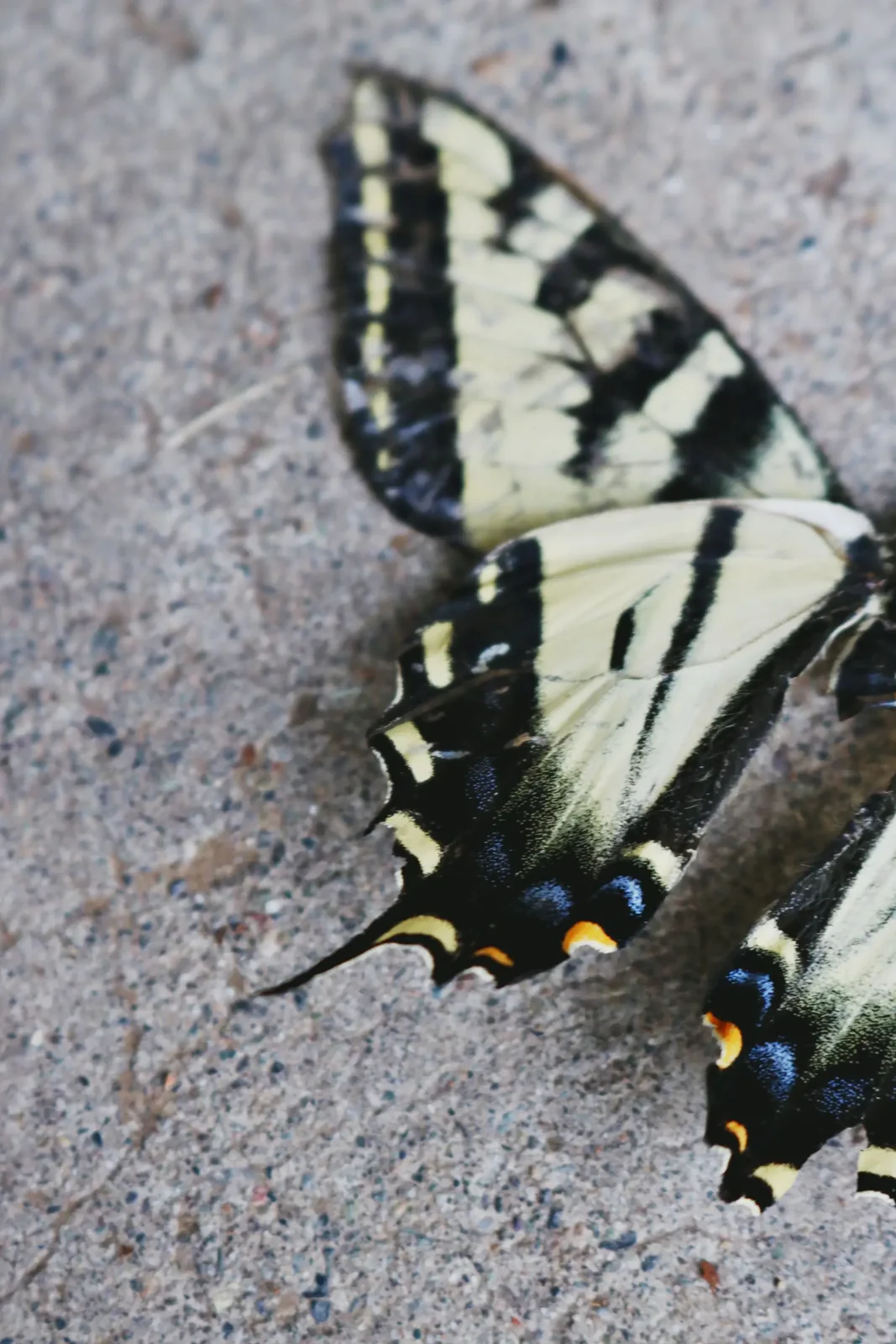
Papilio demodocus
Renowned for sharp chevron bands across velvety brown scales. Its high-contrast patterns mimic dappled sunlight penetrating the woodland understorey.
Welcome to Galotheraenique, a dedicated natural history exhibition exploring the delicate mechanics, iridescent patterns, and fragile botanical habitats of the world’s most extraordinary butterflies.
Each wing is a masterwork of structural color and photonic architecture, preserved and presented for a new generation of naturalists.

“In each micron of wing scale lies the climate, flora, and evolutionary memory of a tropical biome.”— Dr. Helena Vance, Lead Lepidopterist
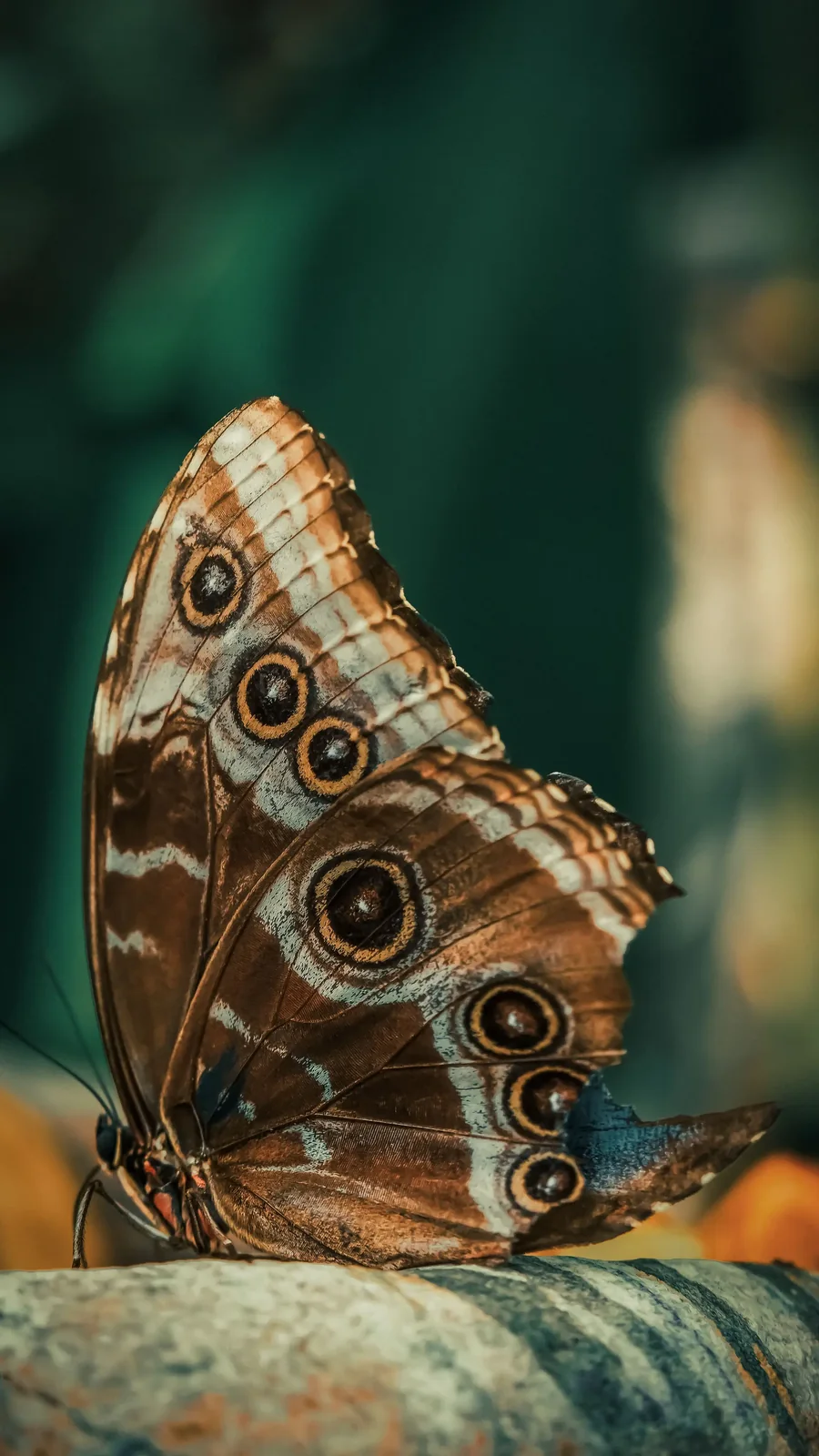
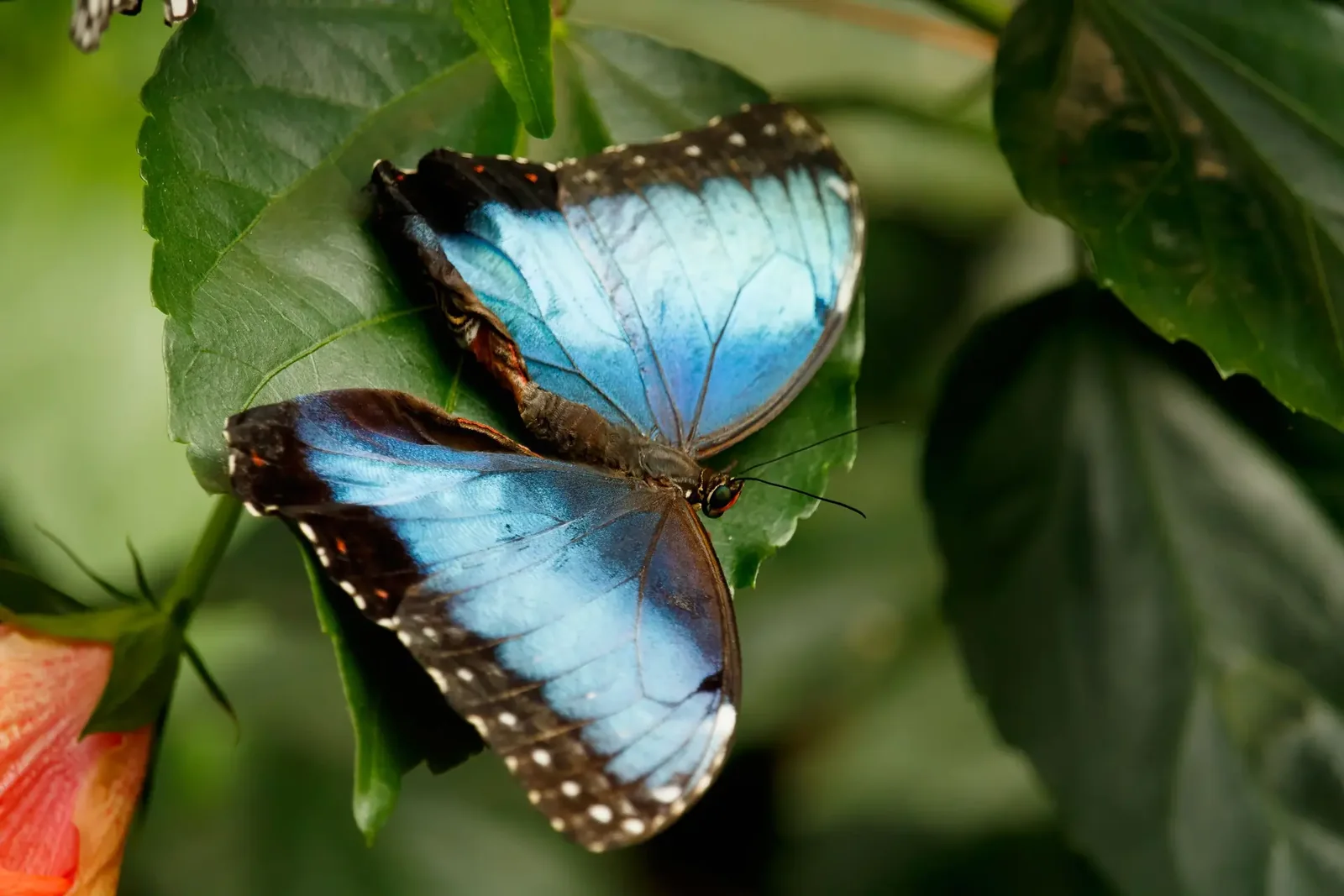
Observe distinctive specimens up close. Each profile illustrates the delicate balance between wing ornamentation, camouflage mechanisms, and botanical reliance.
Renowned for sharp chevron bands across velvety brown scales. Its high-contrast patterns mimic dappled sunlight penetrating the woodland understorey.
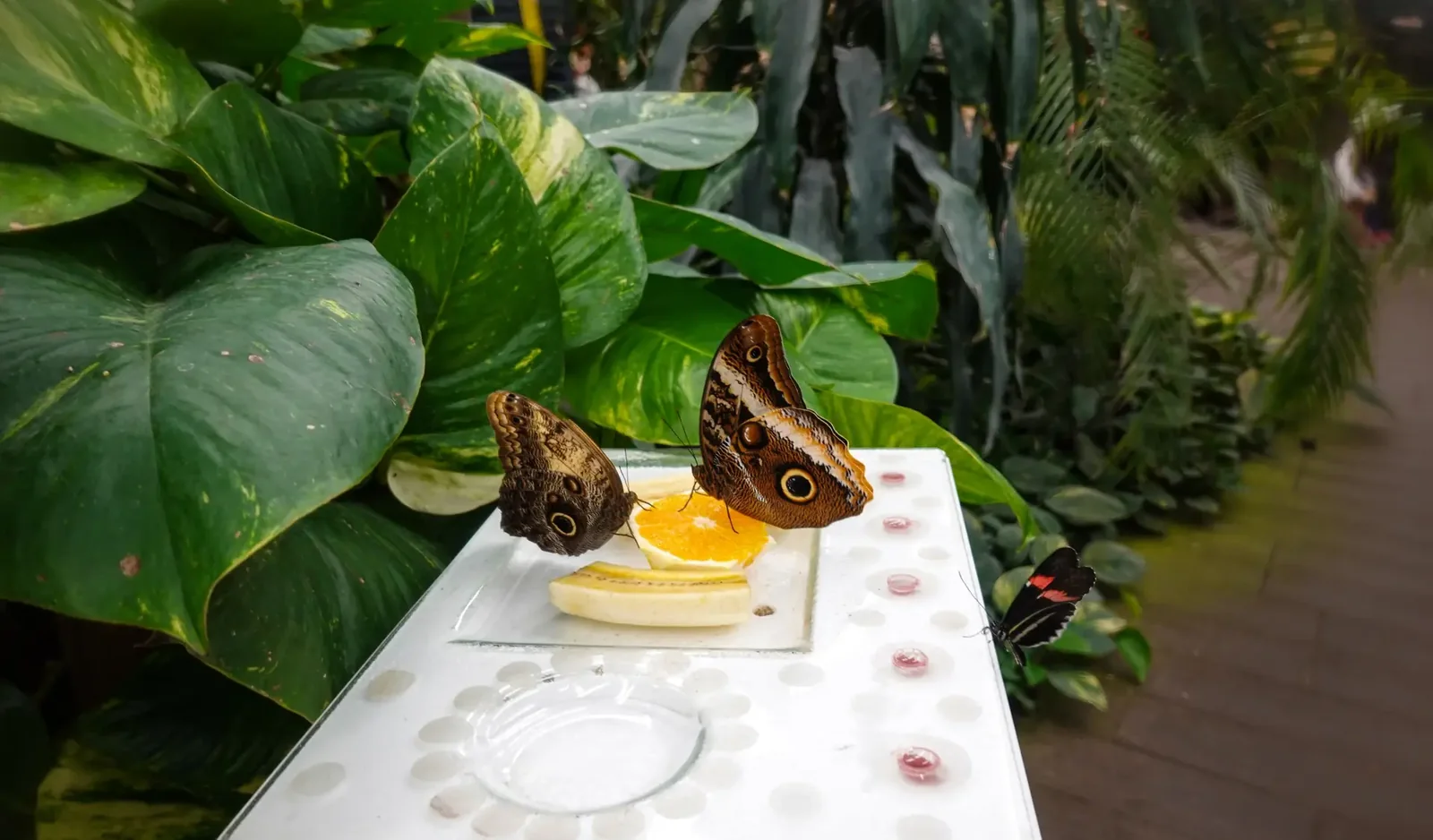
Features striking ventral ocelli resembling the eyes of predatory raptors. These intricate optical rings startle lizards and small birds at dusk.
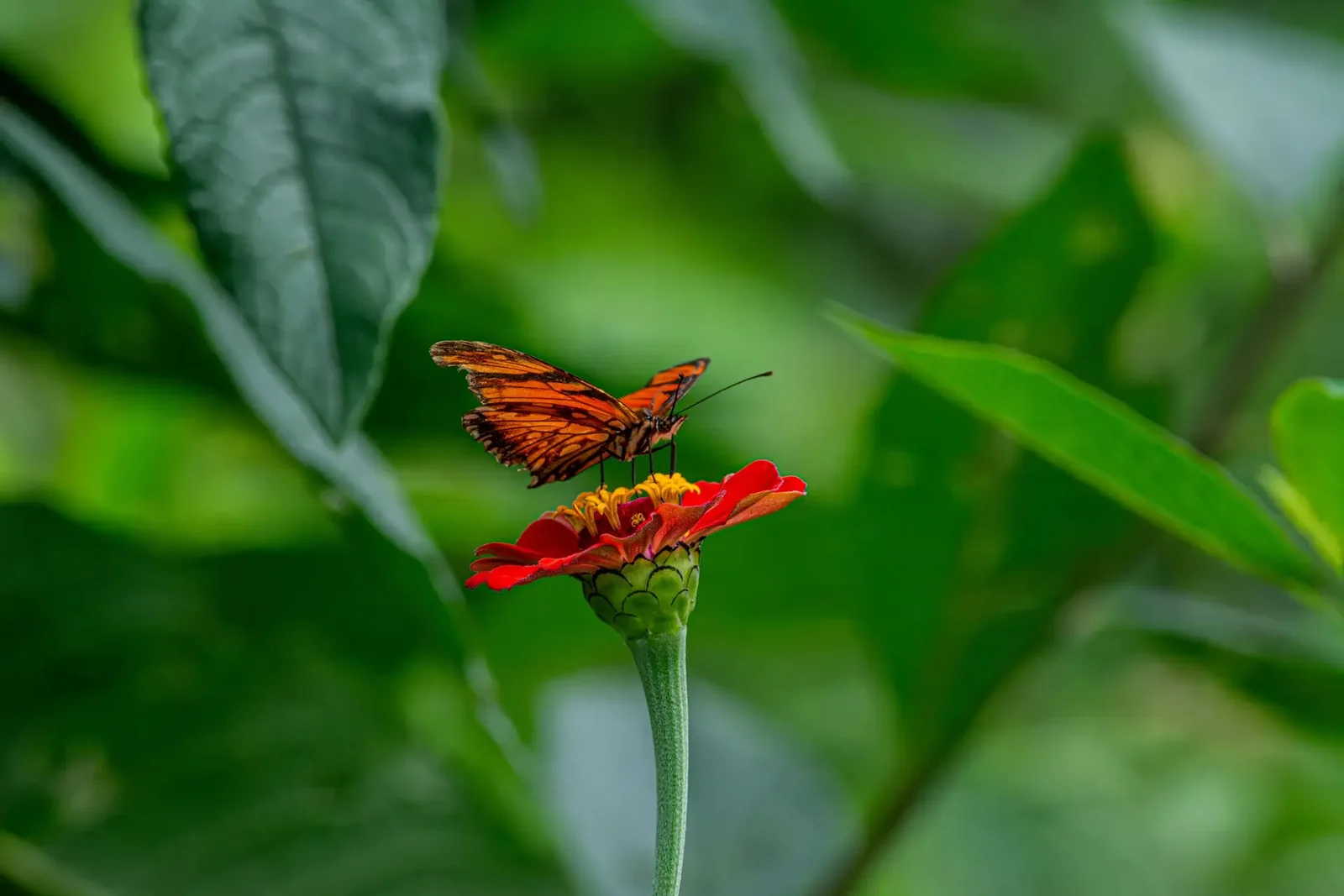
Distinguished by elongated, radiant copper-orange wings engineered for swift, agile flight across dense passionflower vines and humid forest margins.
At Galotheraenique, our natural history curators examine how temperature shifts, indigenous host plants, and microscopic wing geometries intertwine to sustain fragile ecosystems.
Selected visual studies from our living glasshouses, capturing the quiet choreography of transformation and flight.
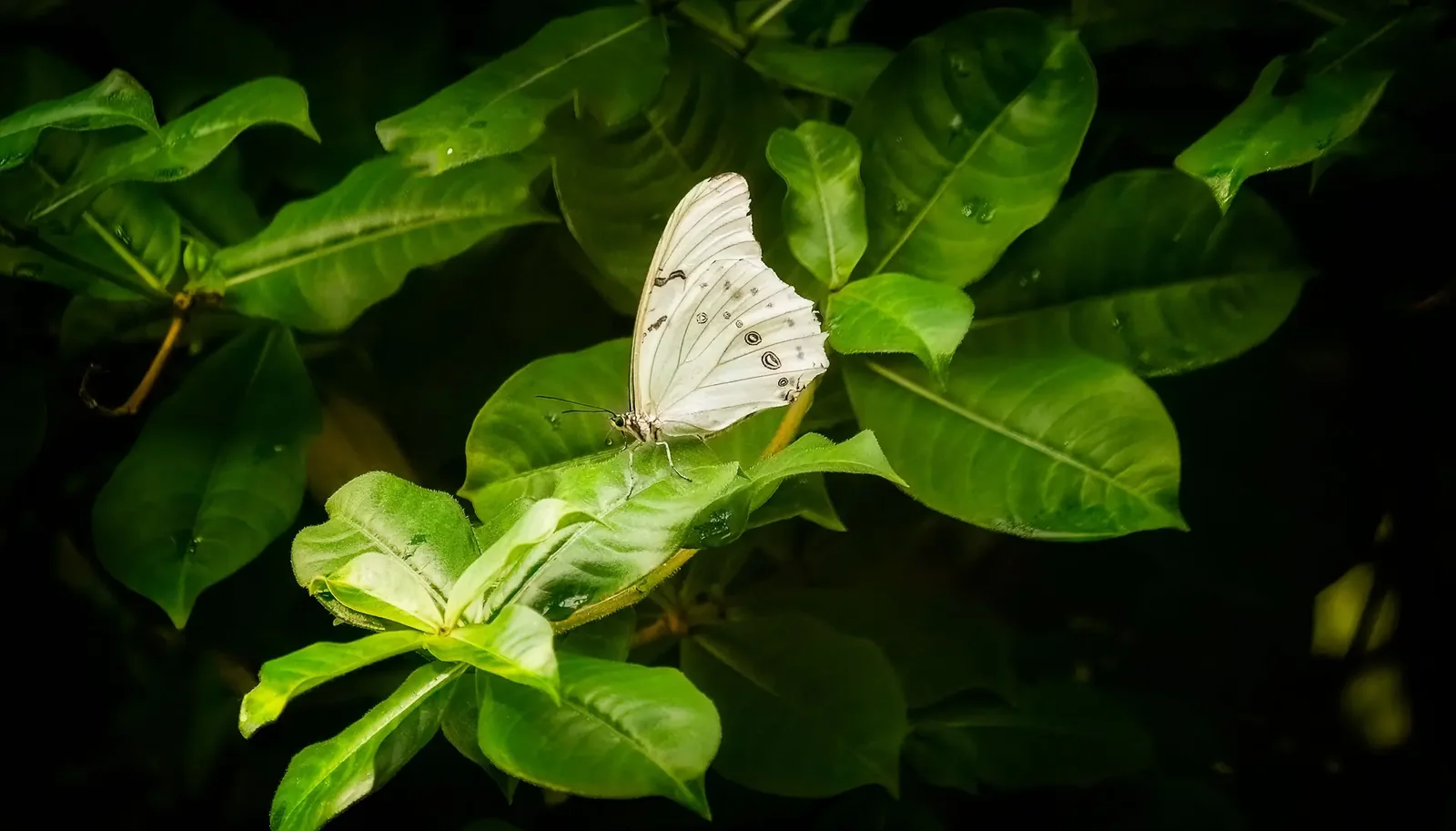
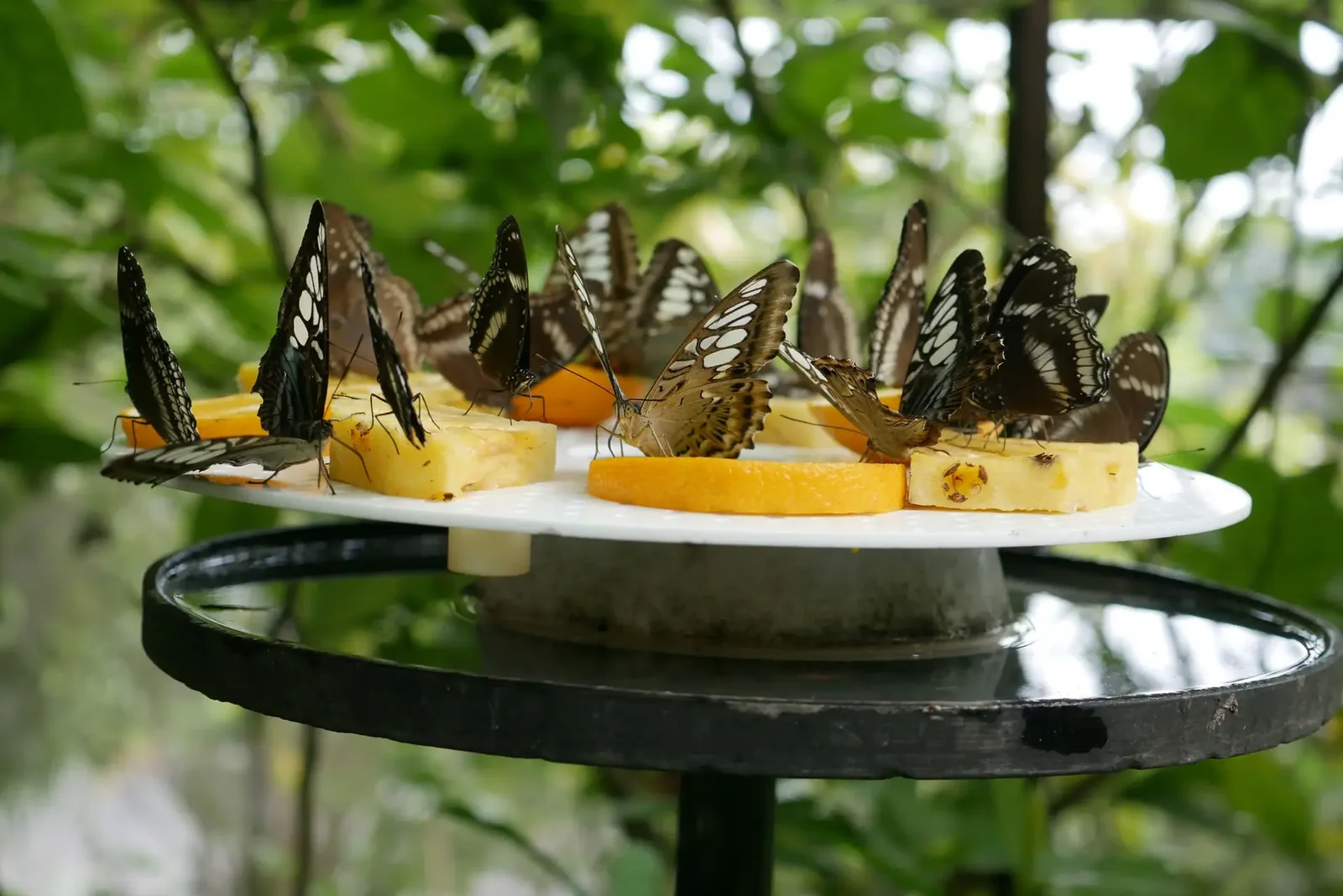
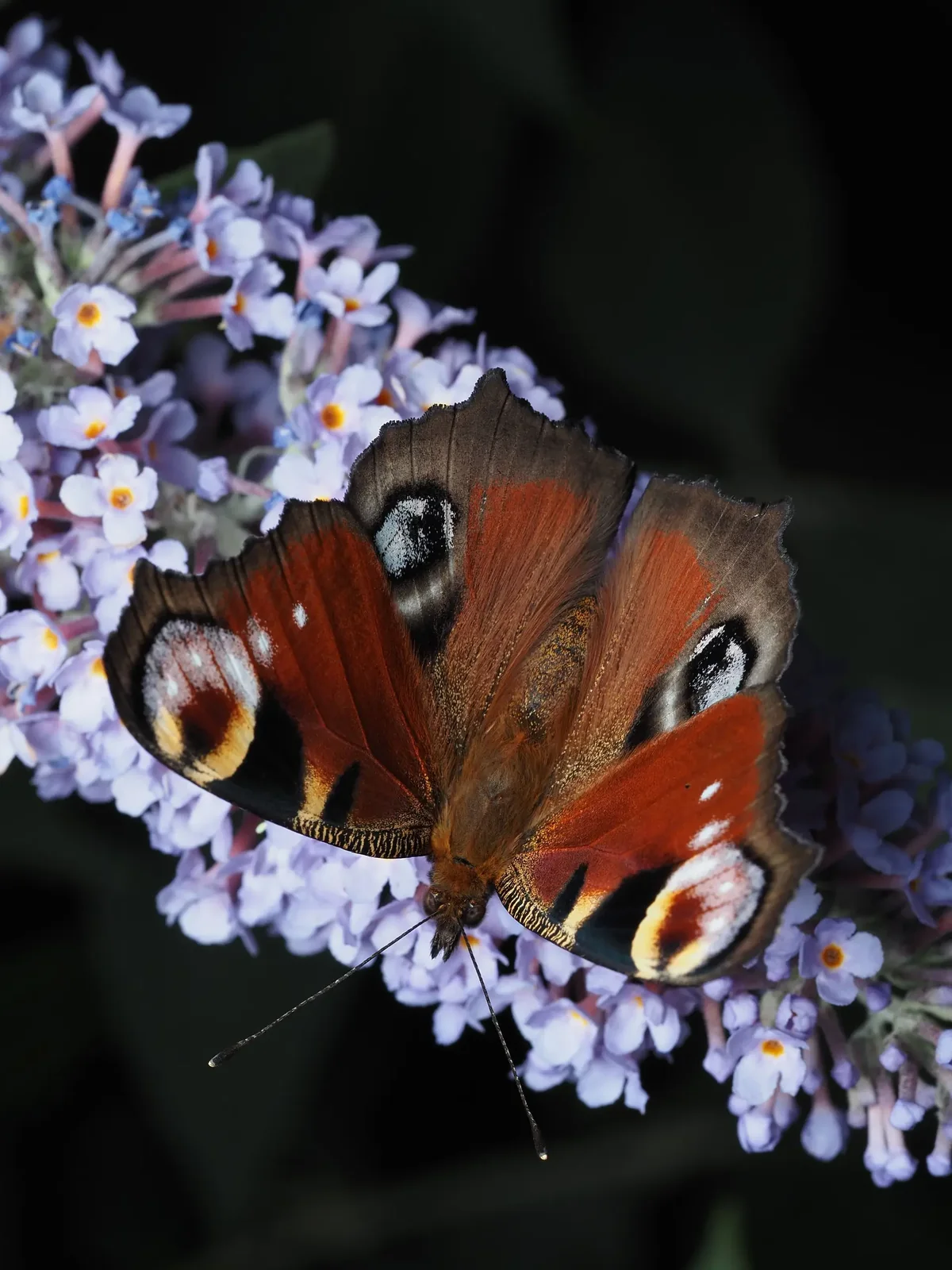
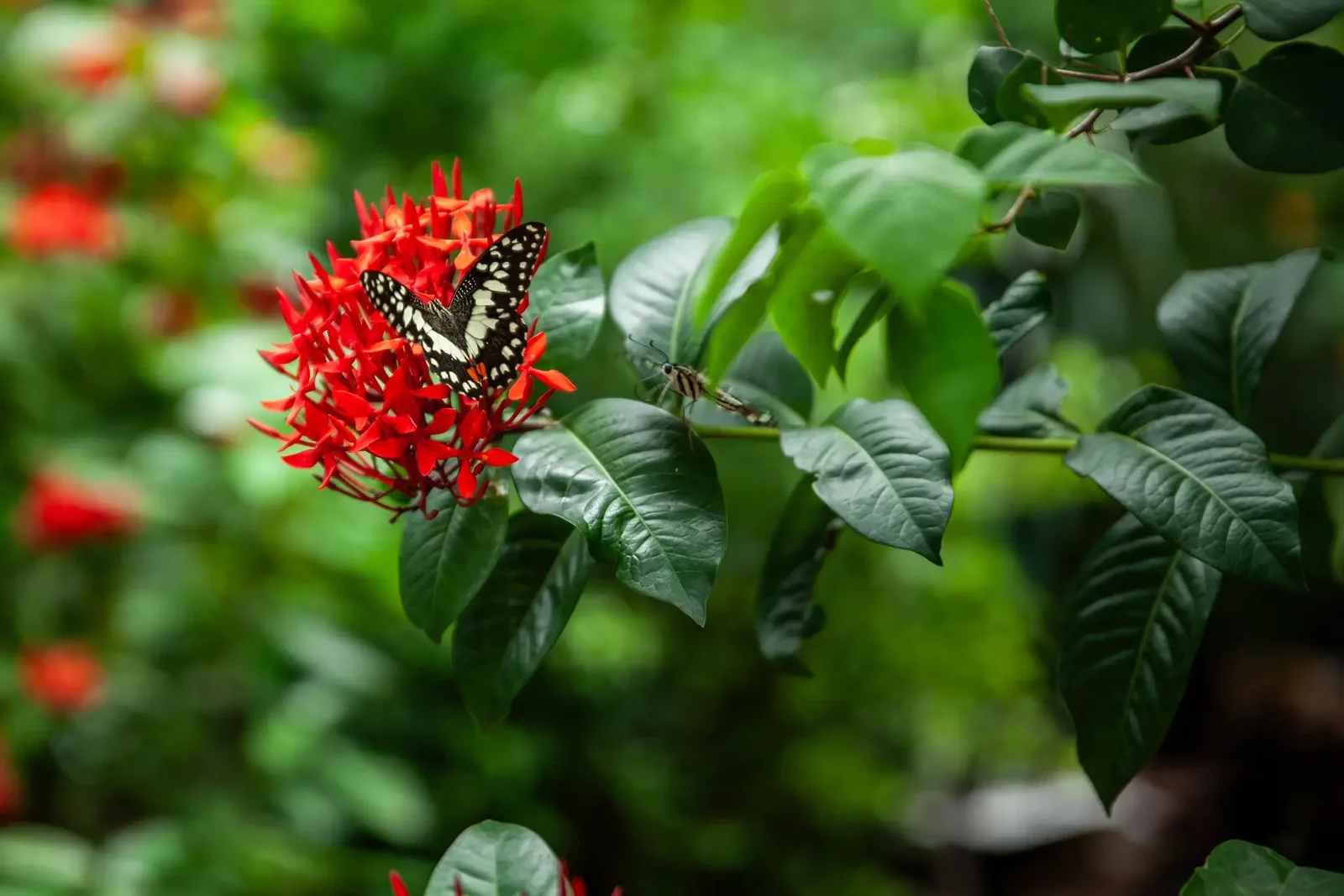
Step into our temperature-controlled tropical glasshouses in Oxfordshire. Plan your route, review opening days, and discover full visitor accessibility guidelines.
Every butterfly begins life as an egg placed with care on or near a suitable host plant. The caterpillar that emerges is built for feeding and growth; its body changes through a series of moults before it forms a chrysalis. Within that protective casing, tissues are reorganised and adult structures develop. The familiar winged form appears only at the final stage of this sequence.
At Galotheraenique, visitors can compare these stages and notice how each depends on particular plants, temperatures and seasonal conditions. The exhibition follows the connections between a butterfly and its habitat, from the leaf selected by an egg-laying female to the flowers visited by an adult seeking nectar.
Close observation reveals details that are easy to miss at a distance: the fine scales covering a wing, the shape of antennae, the way a butterfly holds its wings while resting and the differences between upper and underside patterns. These small features help explain how butterflies move through their surroundings and interact with other living things.