Living Specimen Archive • Section I
Explore the subtle engineering of wing micro-architecture,
chromatic refraction, and the delicate tropical
microclimates that sustain the world's most intricate
Lepidoptera.
Lepidoptera Biome Catalogue • Plate II
A World of Butterfly Diversity
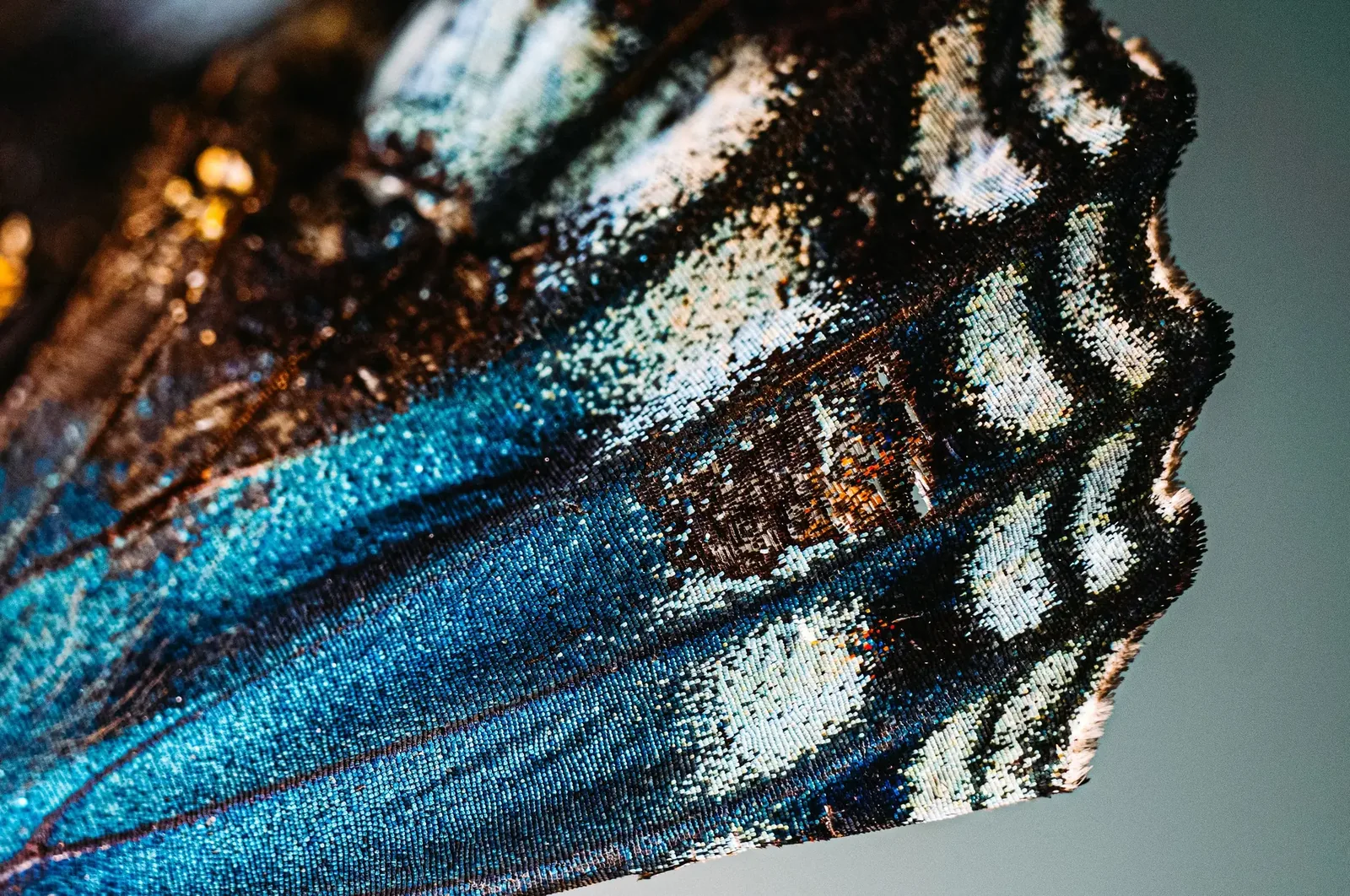
Renowned for intense structural azure iridescence
generated by nanoscale lamellar ridges rather than
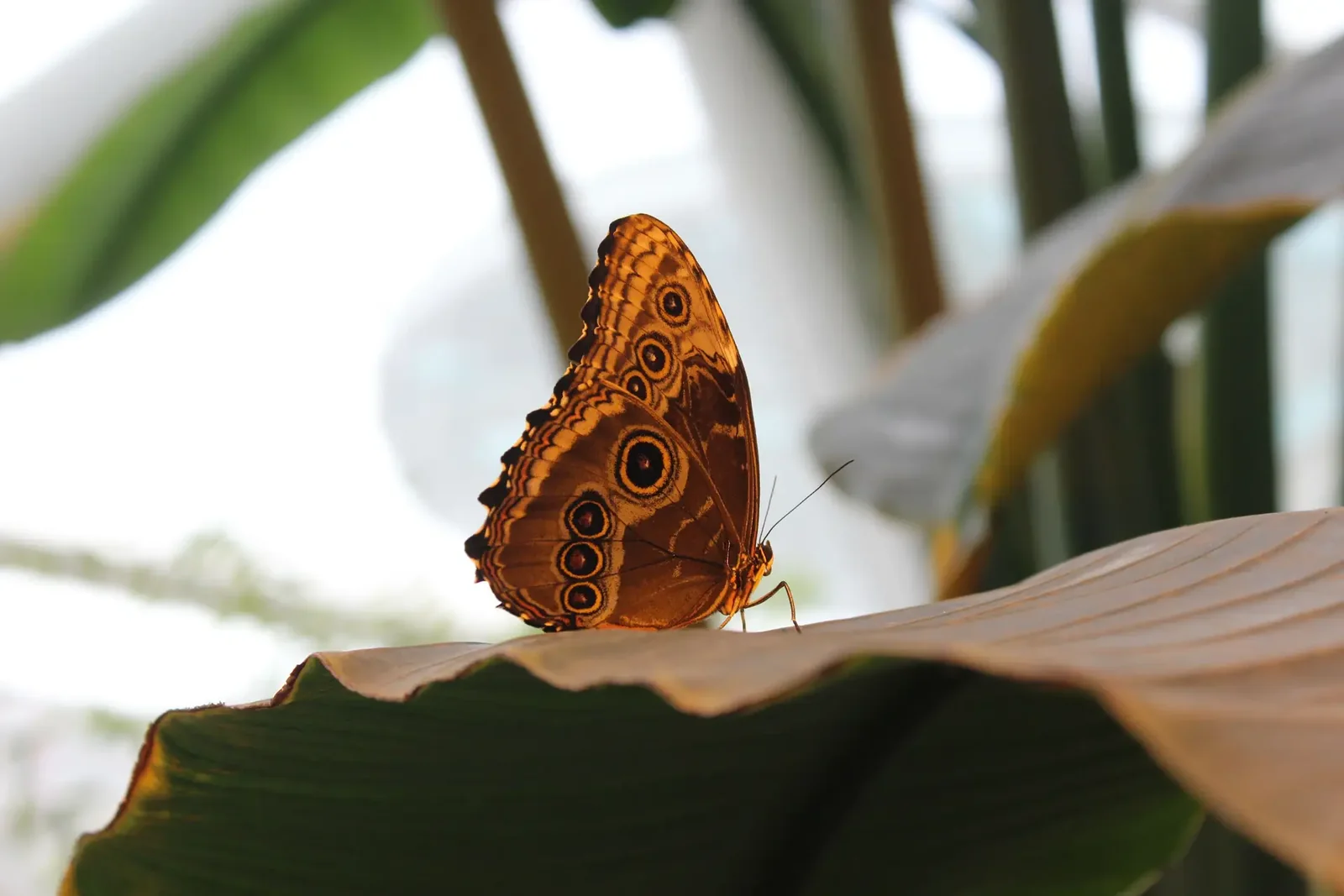
pigment. Its cryptic brown ventral underwings carry
raptor-like ocelli for deception.
Features striking shimmering green median bands produced
by microscopic concave pits that mix yellow and blue light
wavelengths into an unpigmented radiant viridian sheen.
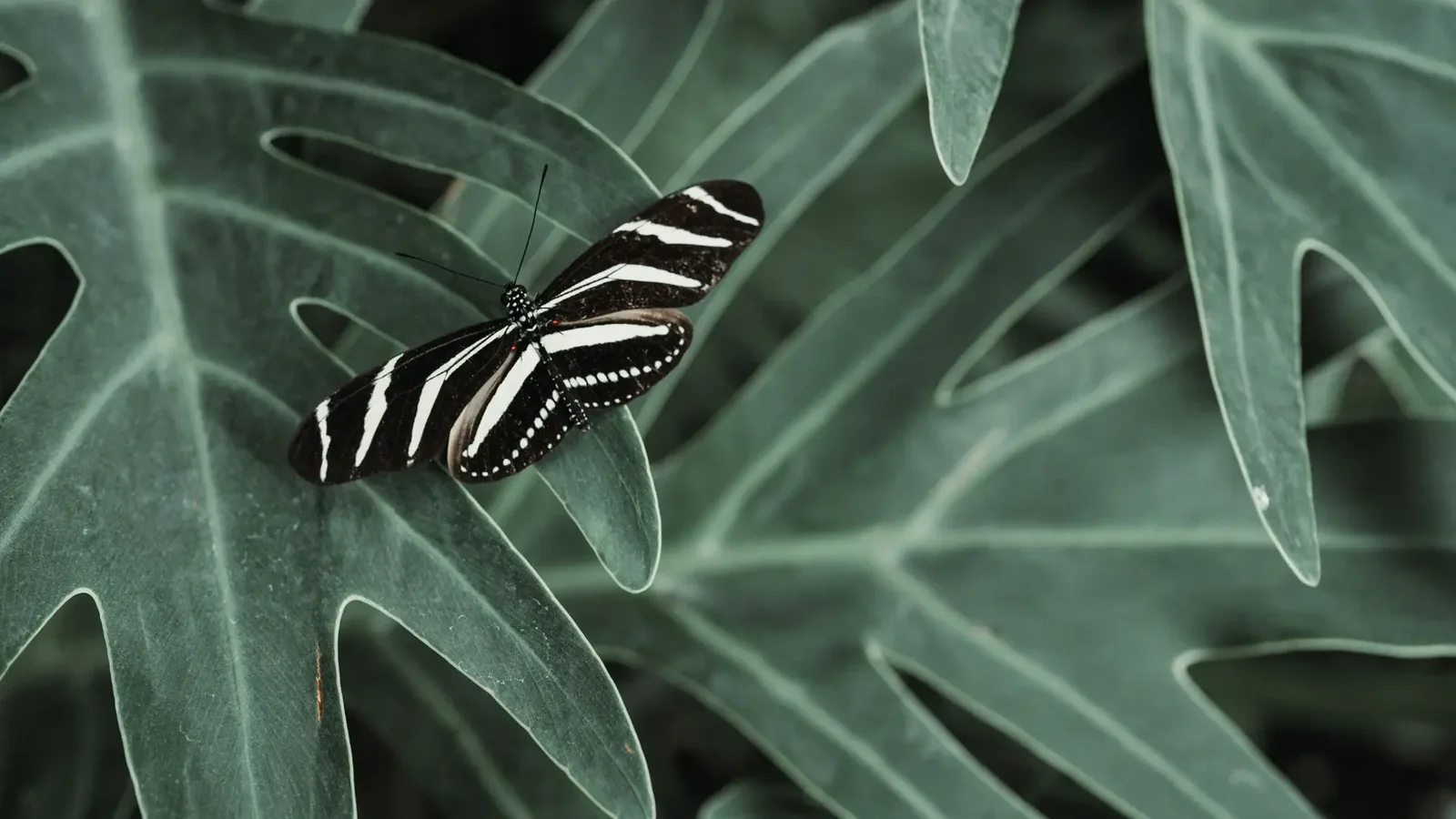
Possesses elongated zebra-striped wings and exceptional
longevity. Heliconius uniquely digest pollen, assimilating
essential amino acids that grant prolonged reproductive
viability.
Curatorial Metric
180,000
scales per square inch
Overlapping chitin tiles engineered for thermodynamic
heat capture and optical defense.
Taxonomic Characteristics & Survival Mechanisms
Families, Colours and Adaptations
Lepidopteran families exhibit remarkable physiological
divergence. From the aerodynamic wing tails of the
Papilionidae to the brush-footed sensory forelegs of
the Nymphalidae, each family’s form is directly tied
to survival across distinct canopy heights.
Nymphalidae (Brush-Footed Butterflies)
Equipped with reduced, hairy forelegs that serve
purely chemical sensory functions. Ventral wing
surfaces mimic dry leaf litter, bark fissures, or
predatory eyes, protecting them during dormancy in
undergrowth.
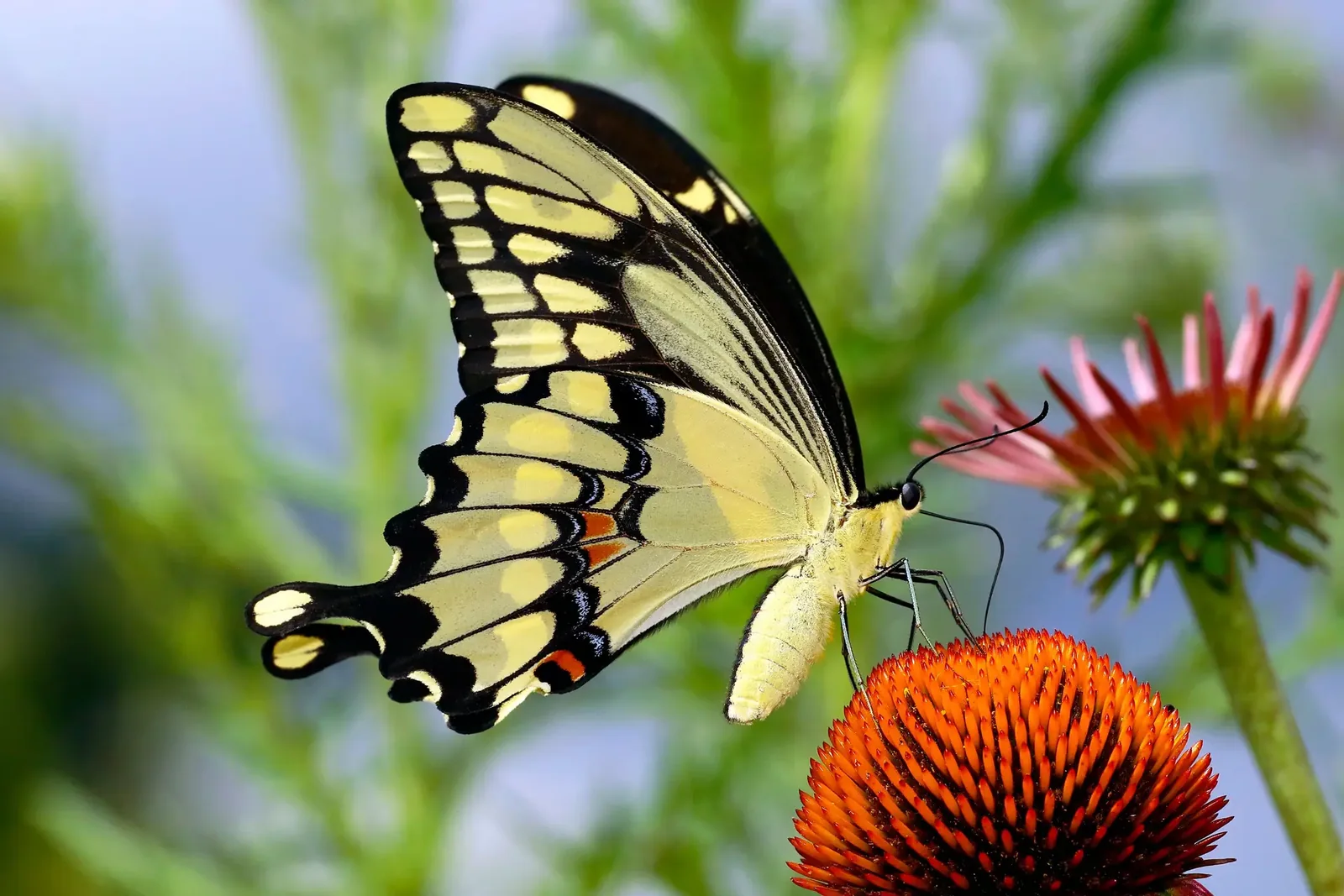
Papilionidae (Swallowtails)
Characterized by prolonged wing spatulae that
disrupt air currents, providing agile flight
through dense tropical canopies while mimicking
falling foliage to throw off pursuing birds.
Pieridae (Whites and Yellows)
Utilise unique pterin pigments derived from
cellular metabolism, reflecting ultraviolet
patterns invisible to humans but vital for mate
recognition across sunlit clearings.
Reading the patterns on butterfly wings
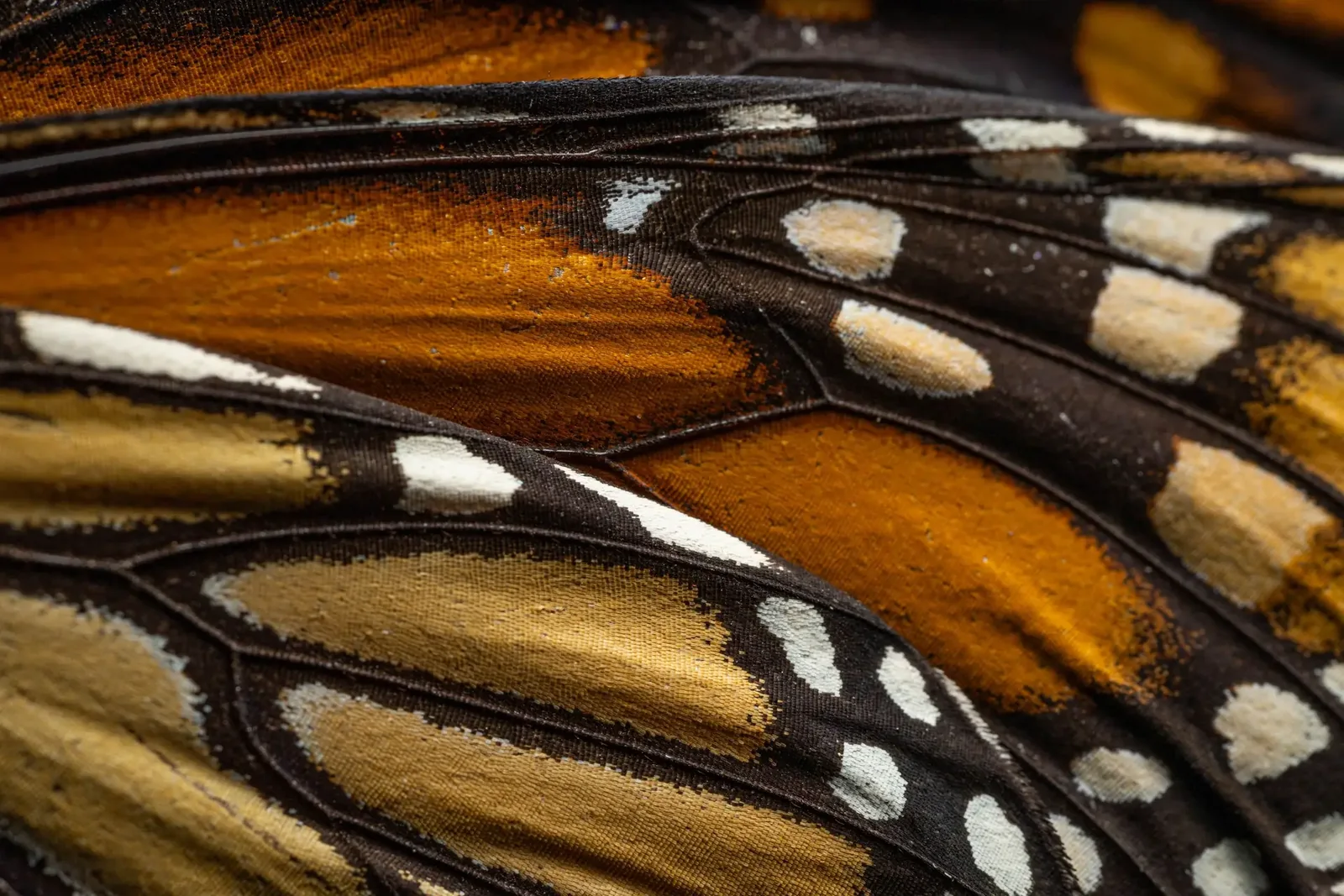
Butterfly wings are formed from thin membranes covered by thousands of minute scales. Their colours arise in different ways. Some pigments absorb particular wavelengths of light, while microscopic structures can scatter light and create iridescent effects that shift as the viewing angle changes. This is why a blue morpho may appear brilliant blue from one direction and much darker from another.
Patterns can contribute to several functions. Eye-like markings may startle a potential predator or redirect attention away from the body. Pale undersides can make a resting butterfly less conspicuous among leaves, while bold bands and contrasting patches can help individuals recognise members of their own species. No single pattern has the same role in every butterfly.
Wing shape also reflects different ways of moving. Broad wings support controlled gliding, while narrower shapes can suit rapid, direct flight. Comparing the forewings and hindwings of several species helps visitors see how form, movement and habitat are connected.