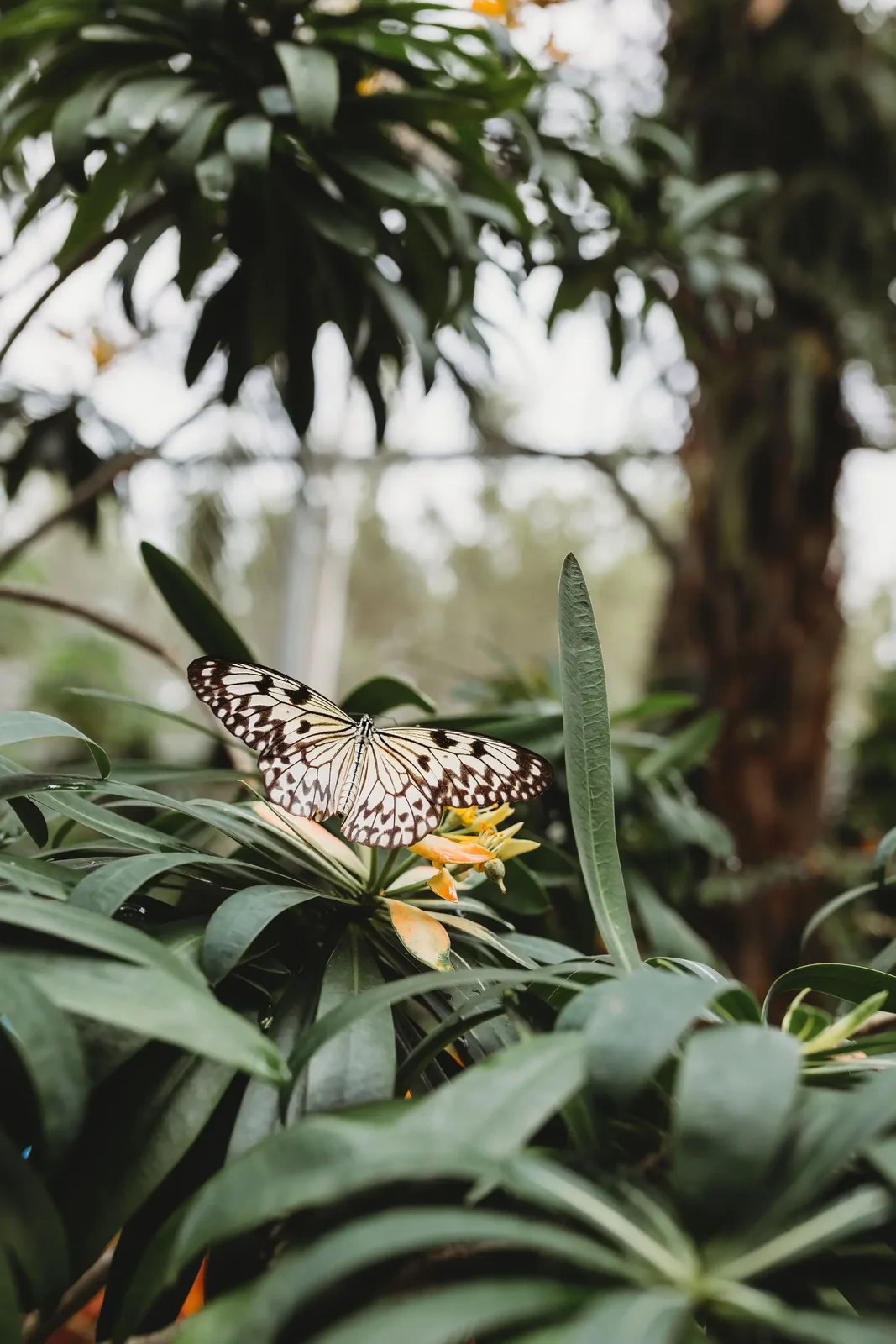
Natural History Reimagined
Where Living Geometry Meets Botanical Stillness
Galotheraenique was conceived as an intersection between a
rigorous natural history specimen study and a serene,
light-filled contemporary glasshouse. We invite visitors into
an unhurried visual dialogue with wing architecture,
micro-scale evolution, and tropical interdependence.
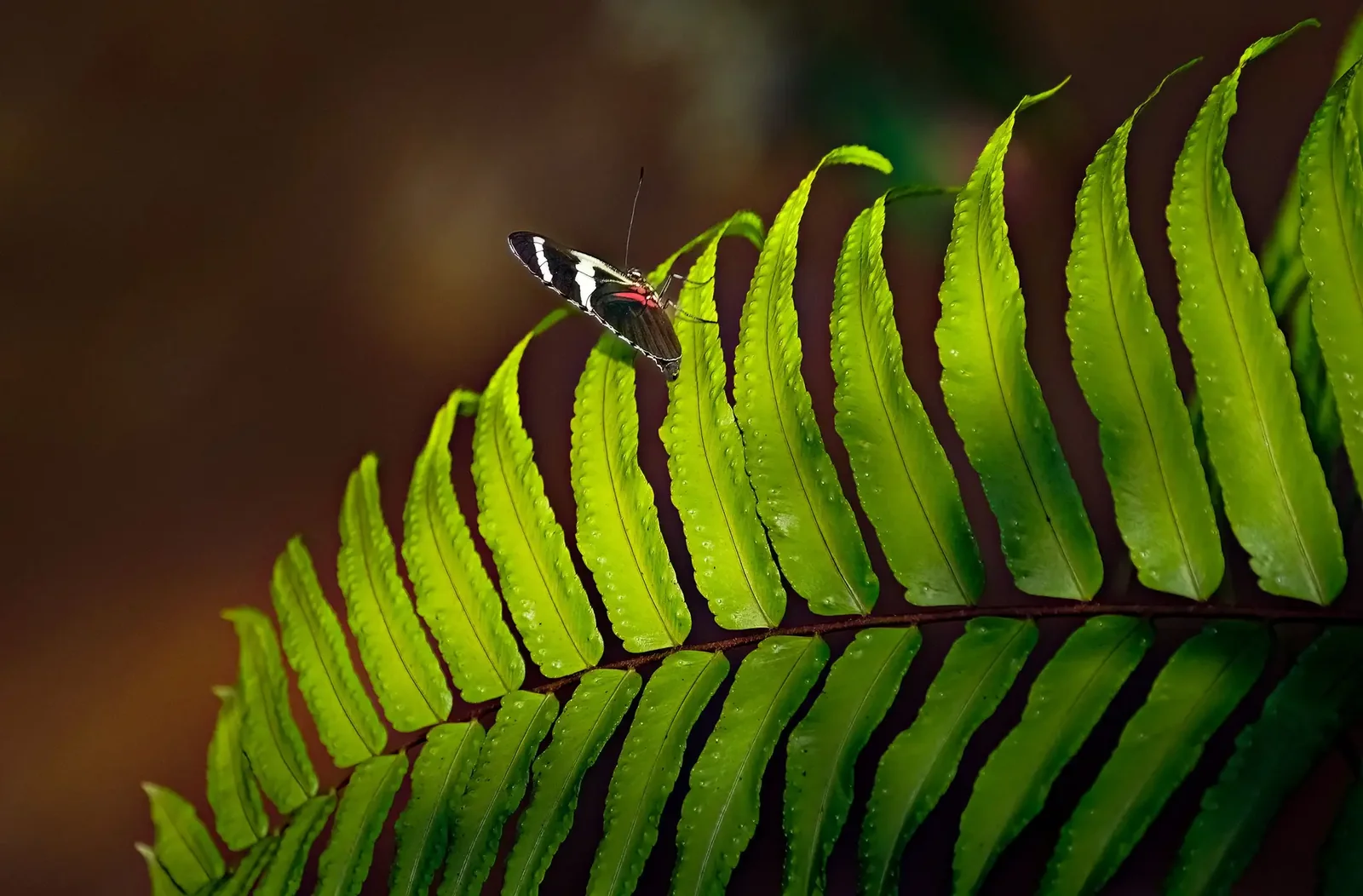
“To observe a butterfly resting among living ferns is to see
structural physics dissolve into pure botanical grace.”
— Dr. Julian Thorne, Senior Botanical Curator
Curatorial Inspiration • Organic Heritage
Rooted in nineteenth-century British natural science yet
illuminated by modern conservation,
Galotheraenique treats every wing pattern not as an isolated
curiosity, but as a living record of the ancient rainfall,
soil nutrients, and flowering canopies that sustained its
ancestors.
Our exhibition rejects sterile specimen drawers and
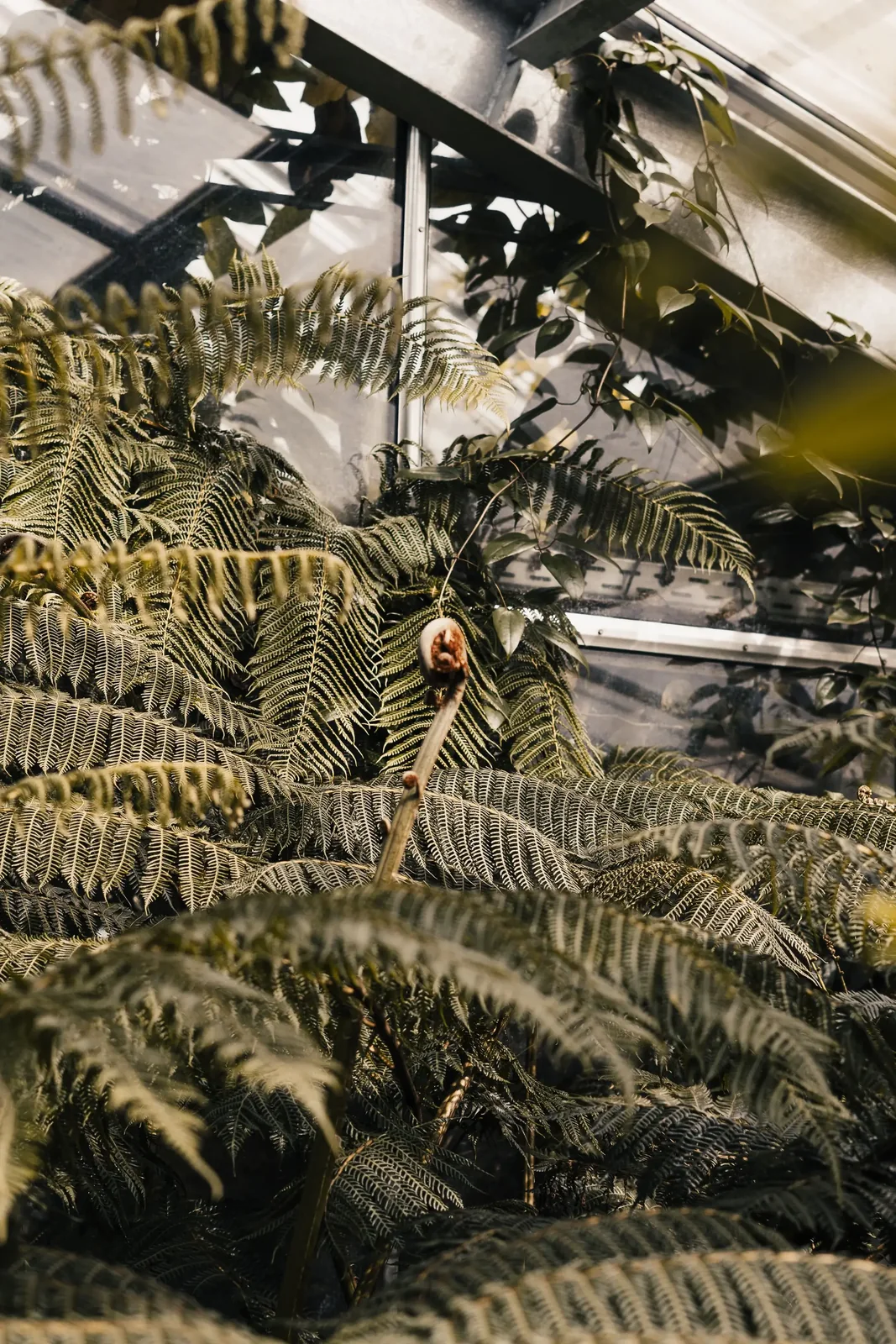
synthetic displays. Instead, we cultivate living neotropical
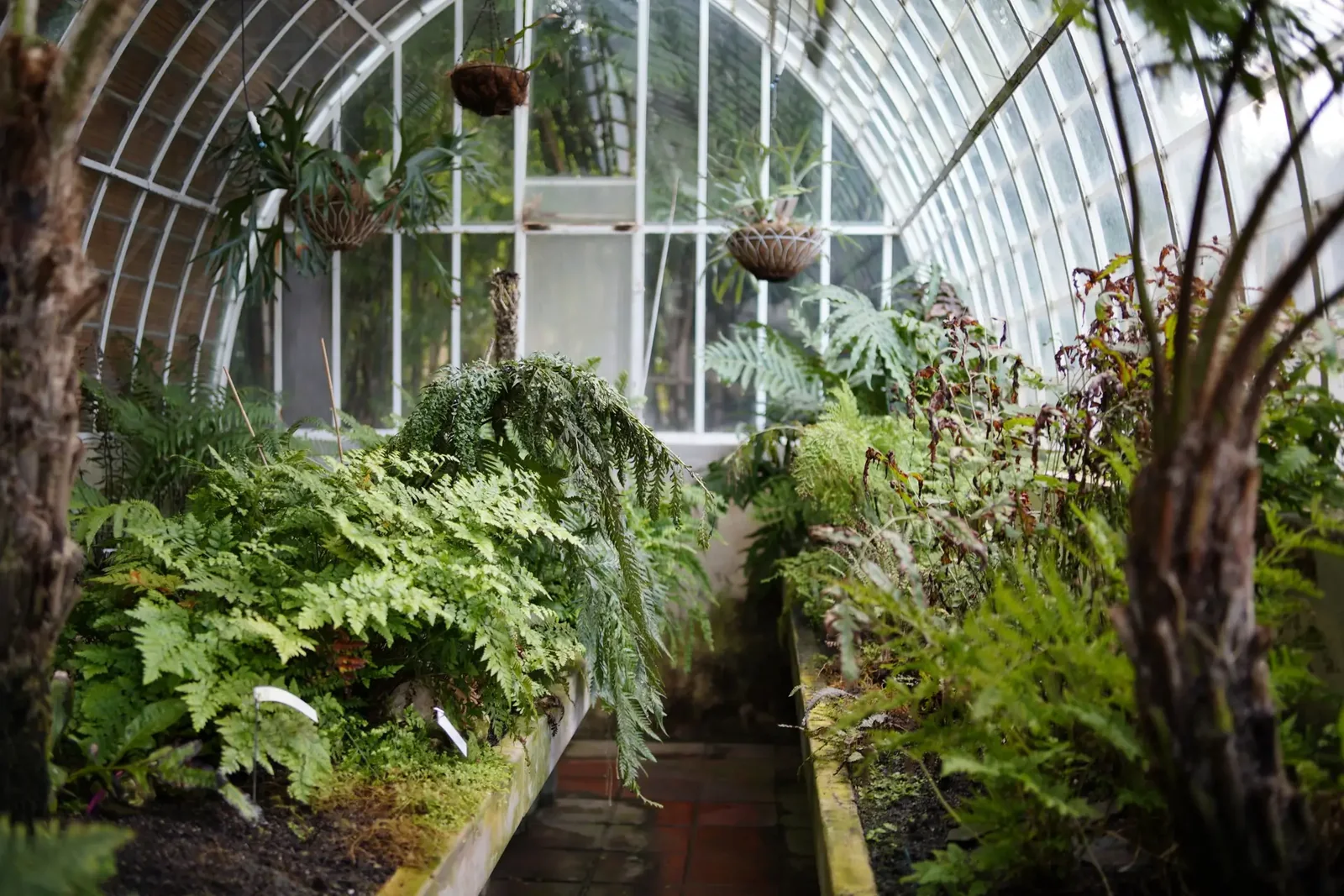
and temperate habitats under soaring timber glasshouses in
the heart of the British countryside, permitting butterflies
to fly, feed, and interact in authentic botanical harmony.
A Closer Look at Butterfly Diversity
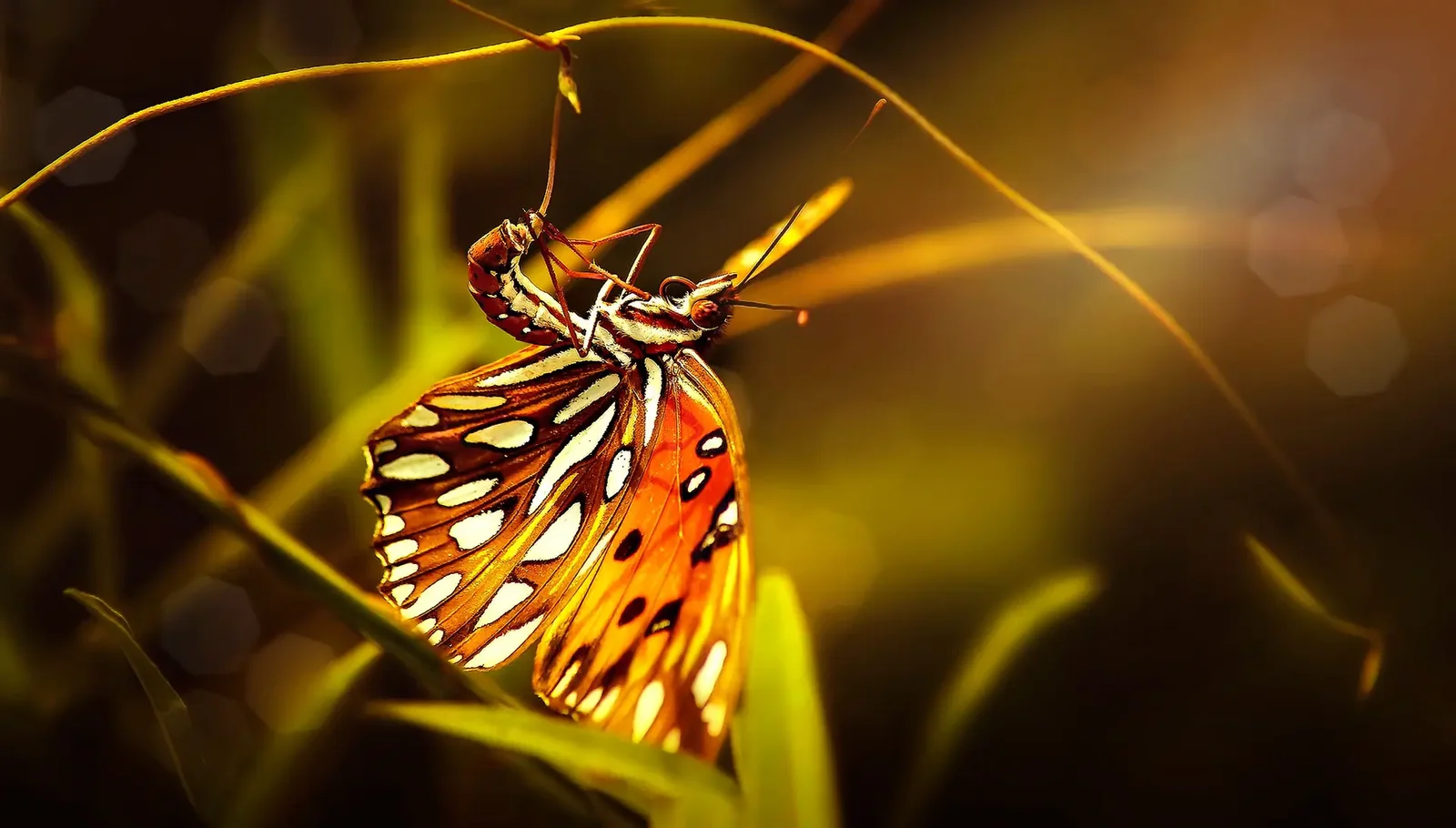
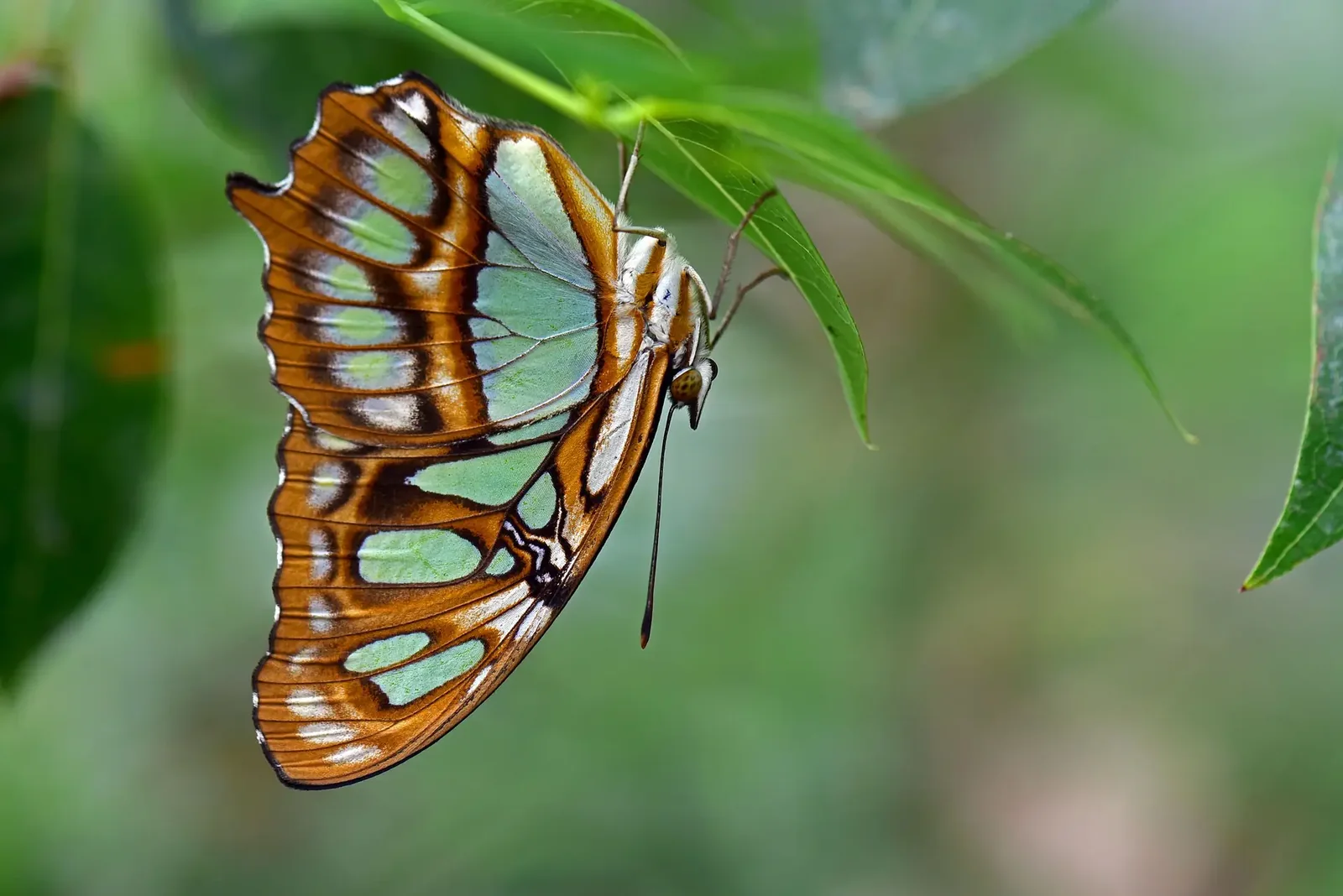
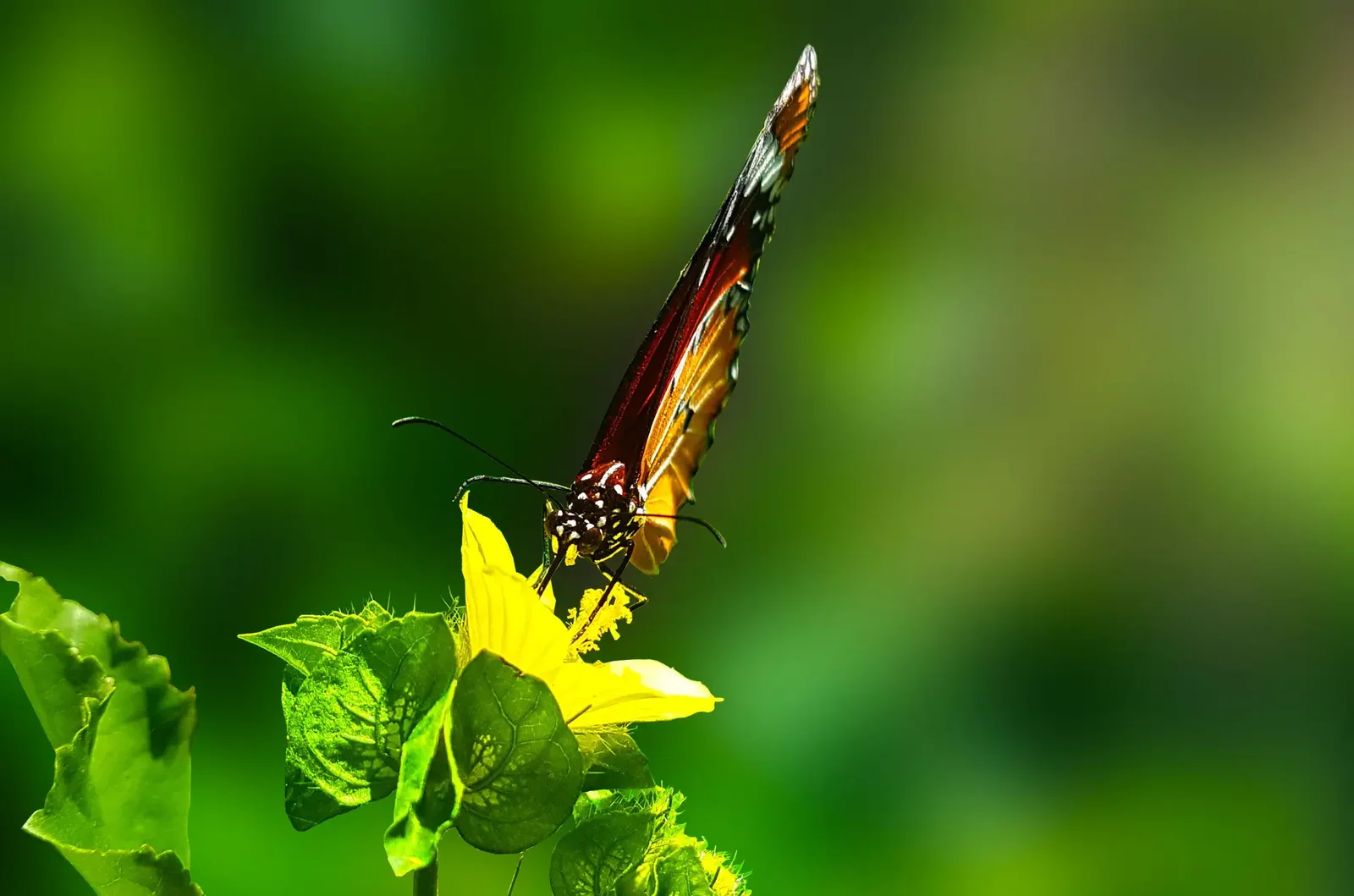
Every curve, eye-spot, and subtle colouration gradient
serves an exacting evolutionary purpose. From the
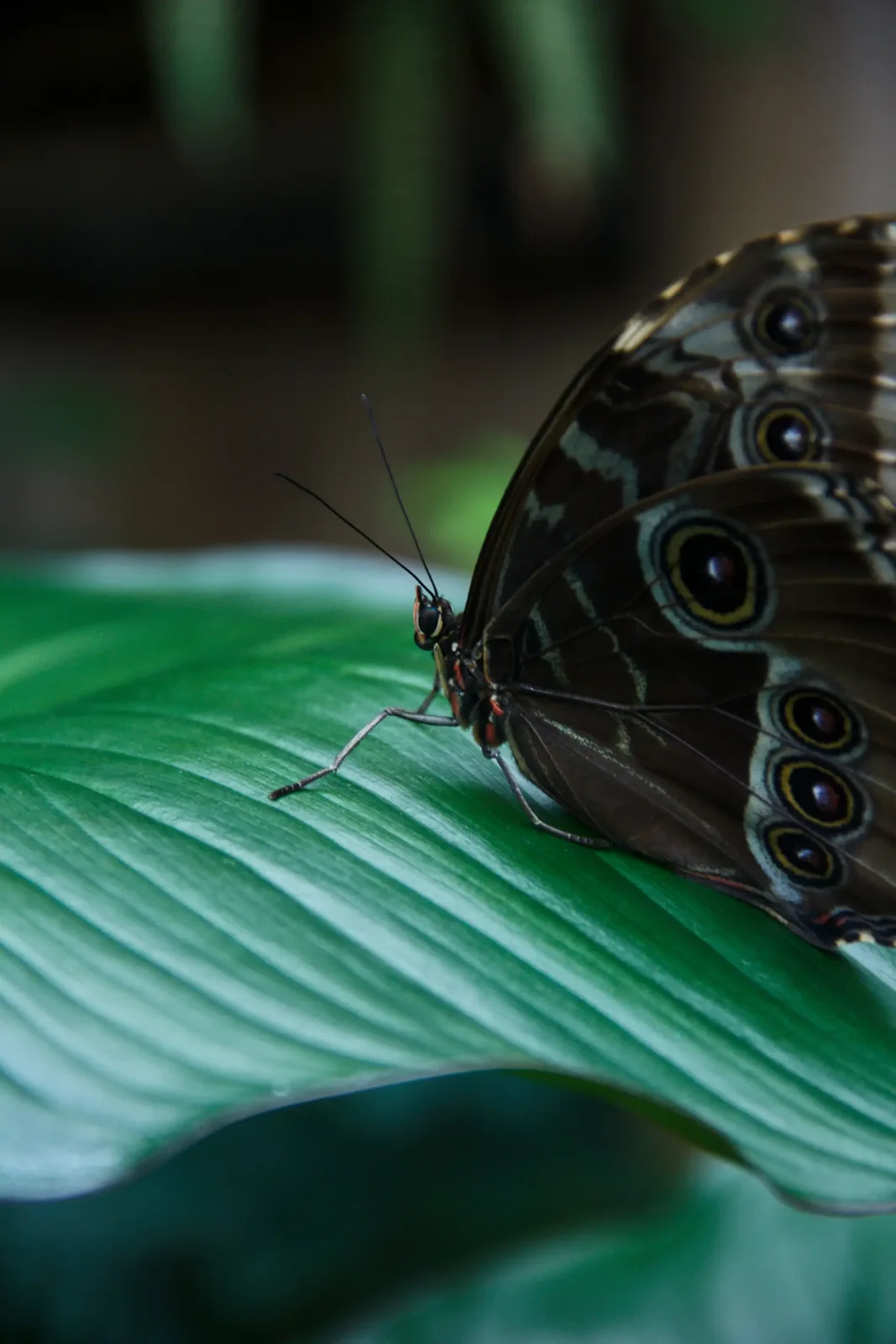
predatory mimicry of the Owl Butterfly to the translucent
wing membranes of the Glasswing, diversity is nature’s
most articulate defense.
At Galotheraenique, visitors are guided through
micro-observation stations equipped with botanical field
loupes and ambient natural light, allowing families and
enthusiasts to study the structural architecture that
pigments alone could never produce.
Structural light diffraction vs chemical pigment
variations
Host-plant specialization across Neotropical and Old
World taxa
Foundational Pillar 01
Botanical Immersion
Habitat-First Conservation Pedagogy
Rather than separating insects from foliage, our
exhibition situates visitors directly inside flourishing
micro-jungles. Understanding host plant biology—such as
Passiflora for Heliconians—reveals how conservation
begins with botanical protection.
Pillar 02
Pollination Ecology
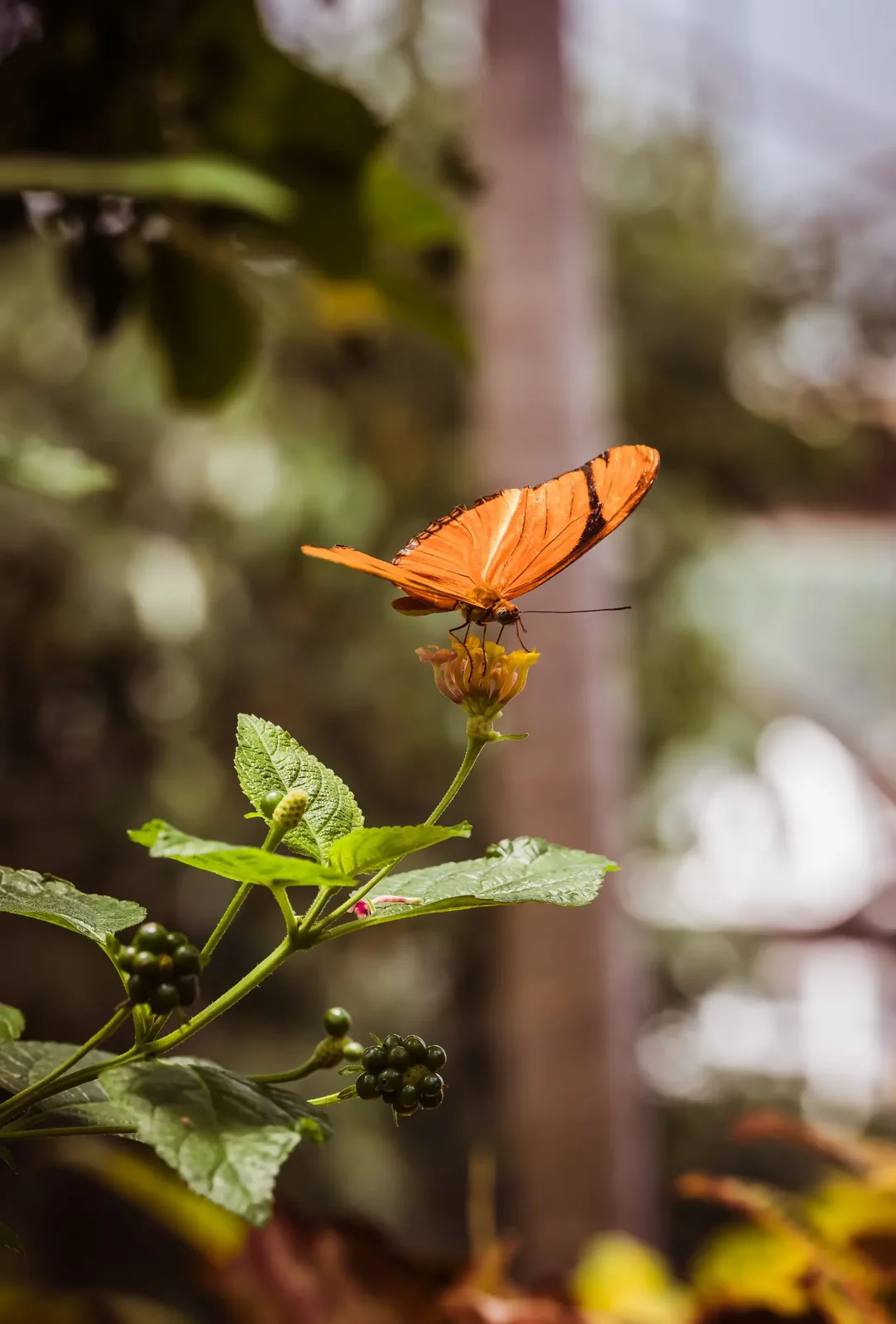
The Active Foraging Flight
Observing butterflies in spontaneous movement
illustrates the rhythm of nectar extraction and pollen
transference across delicate floral borders.
Pillar 03
Metamorphosis Studies
The Chrysalis Emergence Station
Daily, transparent viewings of pupal development
showcase the profound structural reconfiguration from
caterpillar tissue to fully formed, fluid-pumped wings.
Pillar 04
Family Learning
Curated Field Loupes
Gentle hands-on optics encourage young visitors to spot
concentric ocelli and scale shingles without disturbing
living insects.
Pillar 05
Conservation
UK Pollinator Pathways
Connecting tropical insights back to native British
hedgerows, encouraging indigenous wildflower
preservation across local communities.
Ready to experience the living glasshouse?
Open Tuesday to Sunday • Oxfordshire, UK
How the exhibition is arranged
The curatorial approach brings together species portraits, habitat interpretation and close-up details. Each display is designed to answer a practical question: where does this butterfly live, what does it depend on, how does it find food, and which features help it survive? The sequence encourages visitors to compare rather than memorise isolated facts.
Botanical planting is treated as part of the story. Host plants provide places for eggs and food for caterpillars, while flowering plants offer nectar to adults. Leaves, stems, bark and sheltered corners also create resting places and microclimates. A butterfly habitat is therefore a network of relationships rather than a decorative backdrop.
Interpretive notes use clear language and observable examples. They distinguish between general patterns and species-specific behaviour, and they explain where scientific knowledge is still developing. The result is an exhibition that welcomes curiosity while respecting the complexity of the natural world.