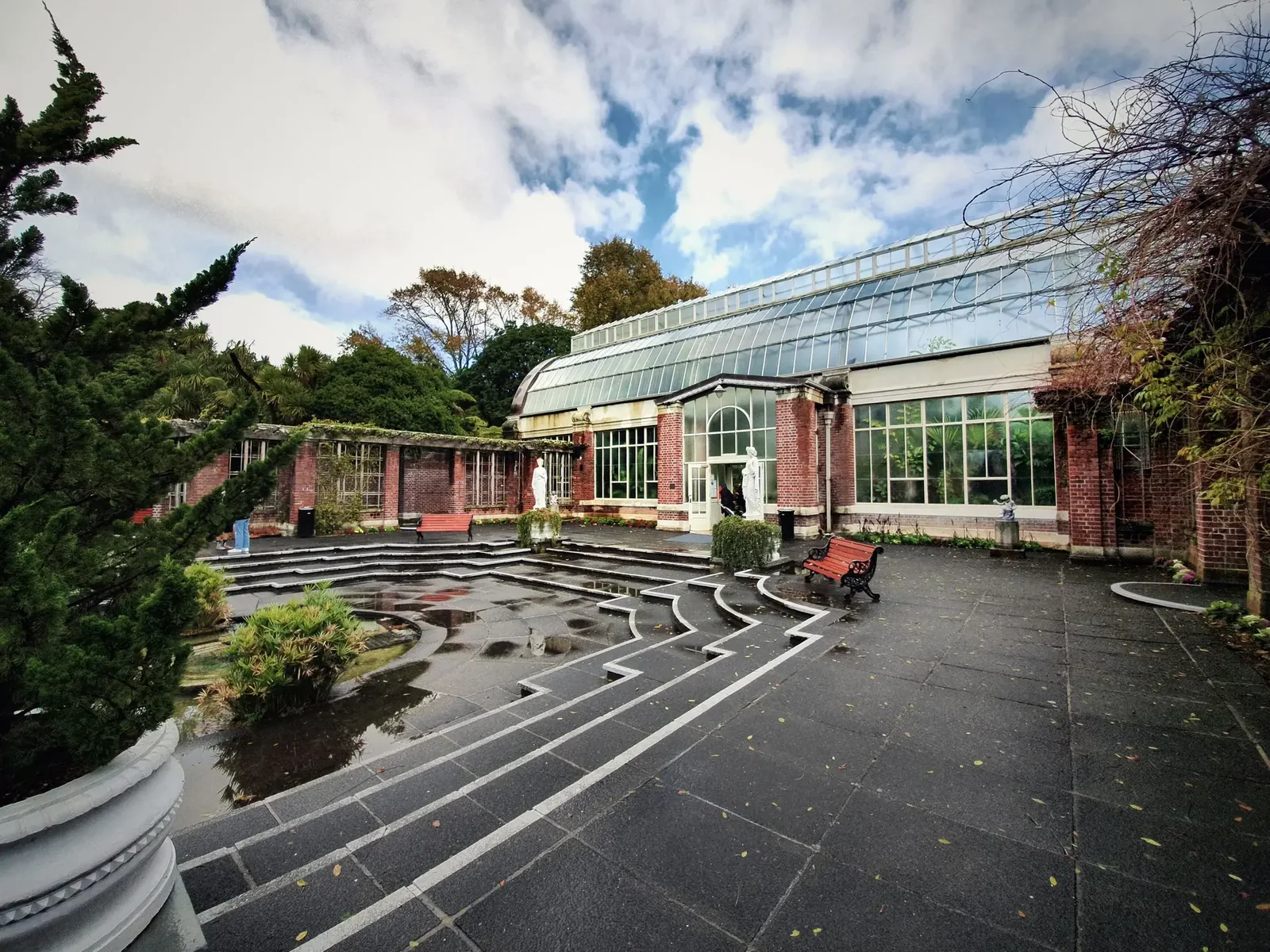
Situated on the quiet boundary of the Oxfordshire Cotswolds,
our glasshouse conservatory is easily reachable by rail,
coach, and private vehicle.
Direct Curatorial & Visitor Desk
info@galotheraenique.com
Exhibition Grounds & Transit
Galotheraenique Conservatory
Woodstock, Oxfordshire, United Kingdom
By Rail
Direct services from London Paddington and Birmingham
New Street to Oxford Station. Connecting local bus
routes (S3) stop within 400 metres of the conservatory
entrance.
By Road & Parking
Accessible from the A44 and A34. Dedicated visitor
parking, including bays with level access to the
glasshouse pavilion and bicycle racks, is provided
onsite.
General Visitor Inquiries
Planning an educational visit or need detailed accessibility
guidance? Submit your question below and our visitor
experience team will reply promptly.
Curatorial Timetable • Seasonal Hours
Exhibition Days & Opening Hours
Our living conservatory operates according to daylight and
natural microclimate conditions to ensure the welfare of our
resident butterfly species.
Tuesday to FridayMidweek Observation
10:00 – 17:30
Last conservatory entry permitted at 16:45
Daily Emergence Chamber:
Chrysalis metamorphosis viewings take place between 11:30
and 13:00 under natural overhead light.
Saturday, Sunday & Bank Holidays
Full Flying Display
09:30 – 18:00
Last conservatory entry permitted at 17:15
Guided Botanical Walks:
Curator-led family observations at 11:00 and 14:30 focusing
on wing scales and host plants.
Mondays (Excluding Bank Holidays)
Conservatory Rest
Closed to Visitors
Dedicated to botanical maintenance, plant health, and
Lepidopteran care
Research & Propagation:
Specialist horticultural treatments and pupal transfers
carried out in undisturbed conditions.
Visitor Advisory:
Butterflies are most active during warm, bright intervals.
On cloudy UK mornings, specimens rest gracefully along tree
fern fronds, offering exceptional close-up photographic
perspectives.
Universal Facility Standards
100%Step-Free Access
Wide stone paths, power-assisted doors, sensory
resting alcoves, and accessible facilities across the
entire glasshouse estate.
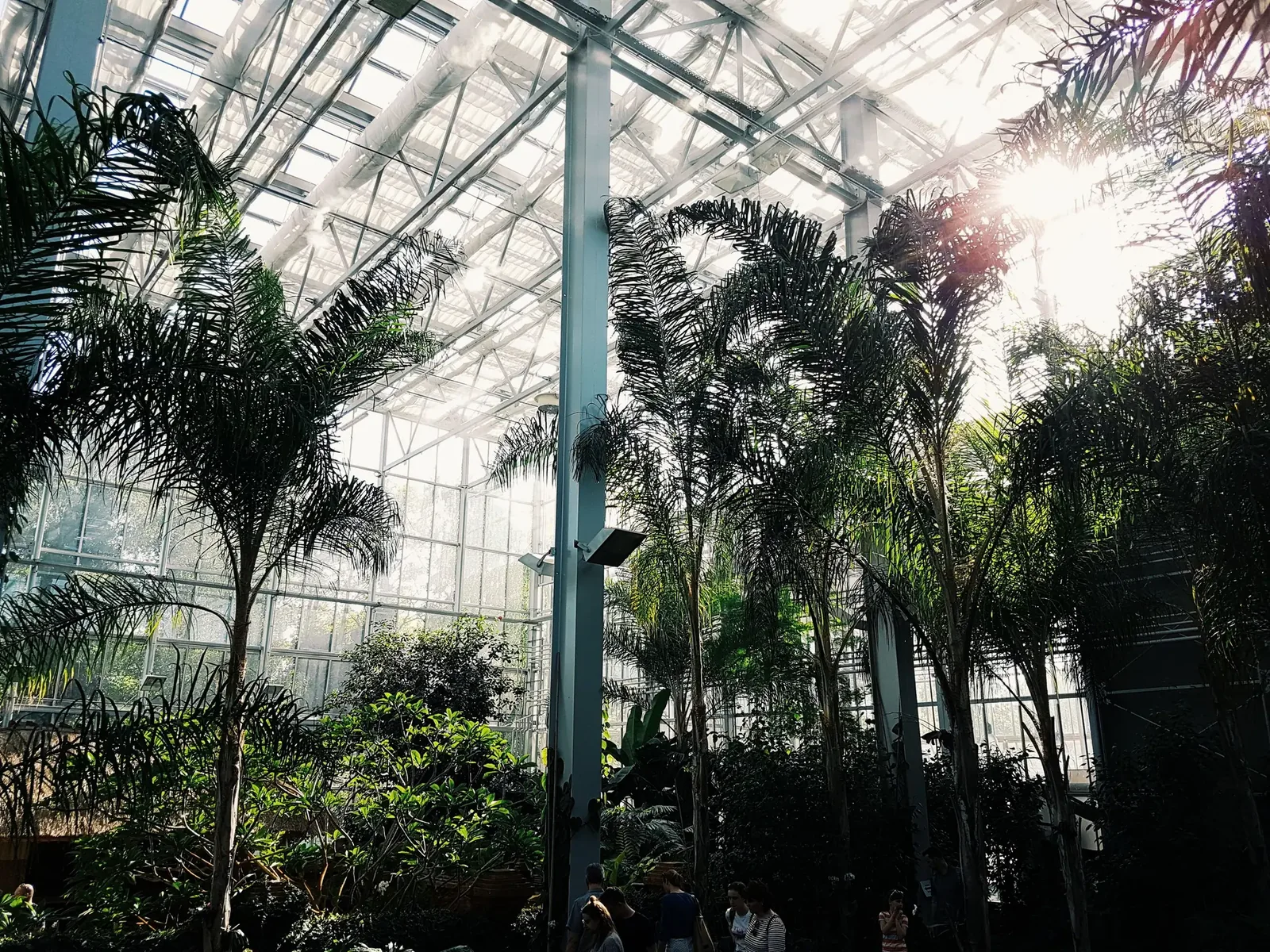
Inside Galotheraenique, the exhibition unfolds along
sweeping gentle pathways designed to foster patient
observation. Visitors encounter living life stages:
from iridescent chrysalises suspended from citrus
branches to free-flying neotropical swallowtails
foraging on lantana.
Micro-Observation Stations
Handheld botanical loupes and optical viewing
stands situated at varied heights allow both
wheelchair users and children to study
micro-scale wing scales comfortably.
Accessible Walkways & Level Ground
Continuous smooth-bound resin paths with a
minimum width of 1.8 metres accommodate
pushchairs, manual wheelchairs, and motorised
mobility scooters throughout all climate zones.
Sensory-Calm Times & Amenities
Quiet morning hours every Thursday,
complimentary companion admissions, guide dog
hydration points, and accessible family
facilities equipped with height-adjustable
amenities.
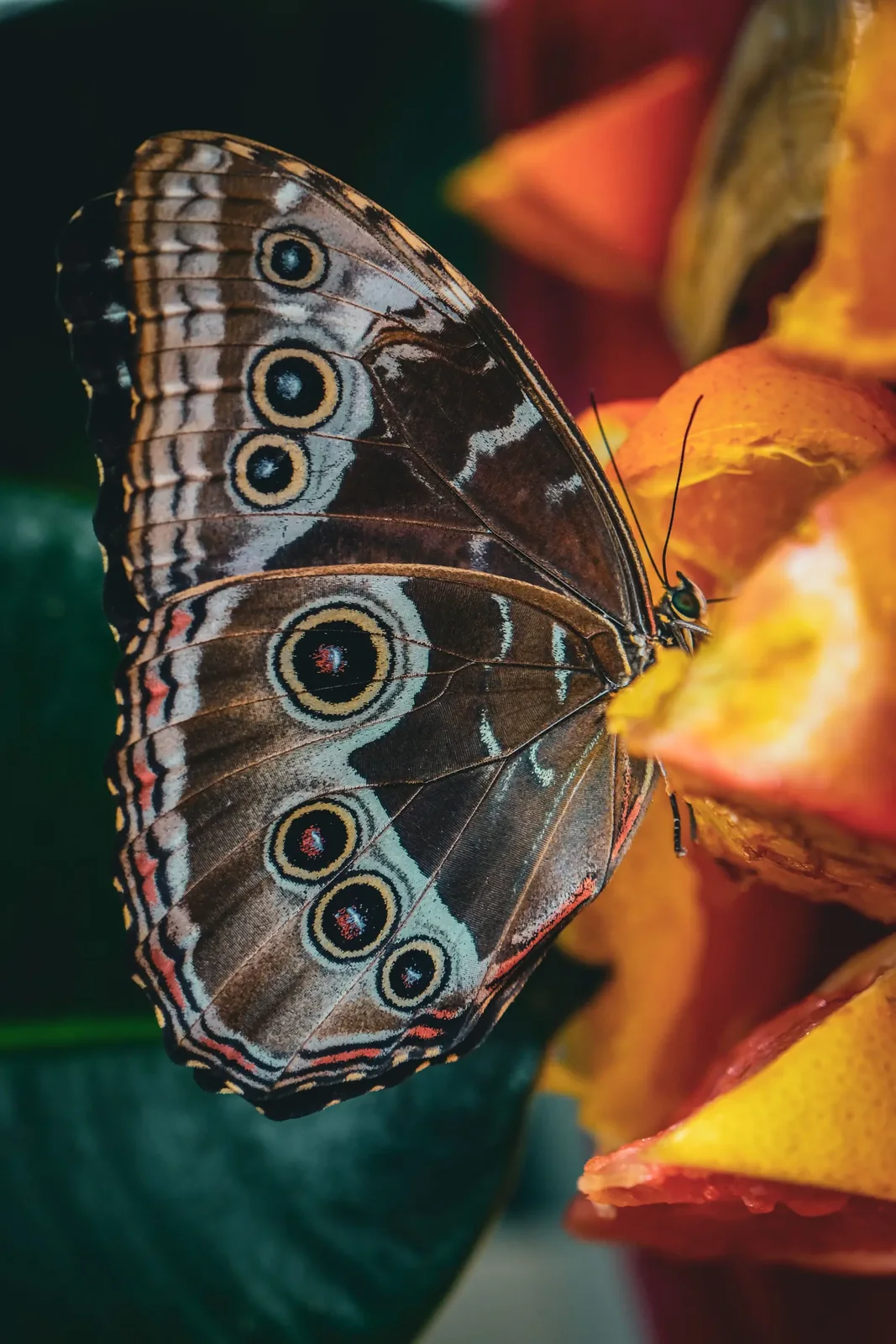
Butterflies are ectothermic, so their activity is closely linked to the temperature of their surroundings. In a warm, bright part of the glasshouse, visitors may see individuals flying between flowers. In cooler or quieter areas, butterflies often settle on foliage with their wings held upright or spread flat, depending on the species and conditions.
Move slowly through the planted areas and allow time for your eyes to adjust to the layers of leaves and colour. Look for caterpillar host plants, newly emerged adults near their pupal supports, and differences between the upper and lower surfaces of wings. A small change in viewpoint can reveal markings that are difficult to see from the path.
Photography is best approached with patience. Keep a respectful distance, avoid touching plants or display structures, and let butterflies choose where to settle. These simple habits help maintain a calm environment for both visitors and the living collection.